
Protein Plans for Muscle Building
Discover comprehensive nutrition strategies and protein-based meal plans designed to support your muscle development goals
Daily Protein Target per Serving
Essential Amino Acids Covered
Complete Meal Plan Variations
Natural Ingredient Sources
Why Protein Plans Matter for Muscle Development
Proper protein nutrition is fundamental to supporting muscle development. Your body requires adequate protein intake combined with consistent training to optimize muscle tissue growth and recovery. Fitnutritionpulsead presents scientifically-informed protein plans that align with modern fitness principles.
Our editorial content covers protein sources, meal timing, nutritional balance, and training synergy. Whether you're beginning your fitness journey or advancing to higher performance levels, understanding protein's role is essential for informed decision-making about your nutrition strategy.
- Comprehensive protein source breakdowns
- Daily intake recommendations and timing
- Meal preparation and nutrition balance
- Educational resources for informed choices
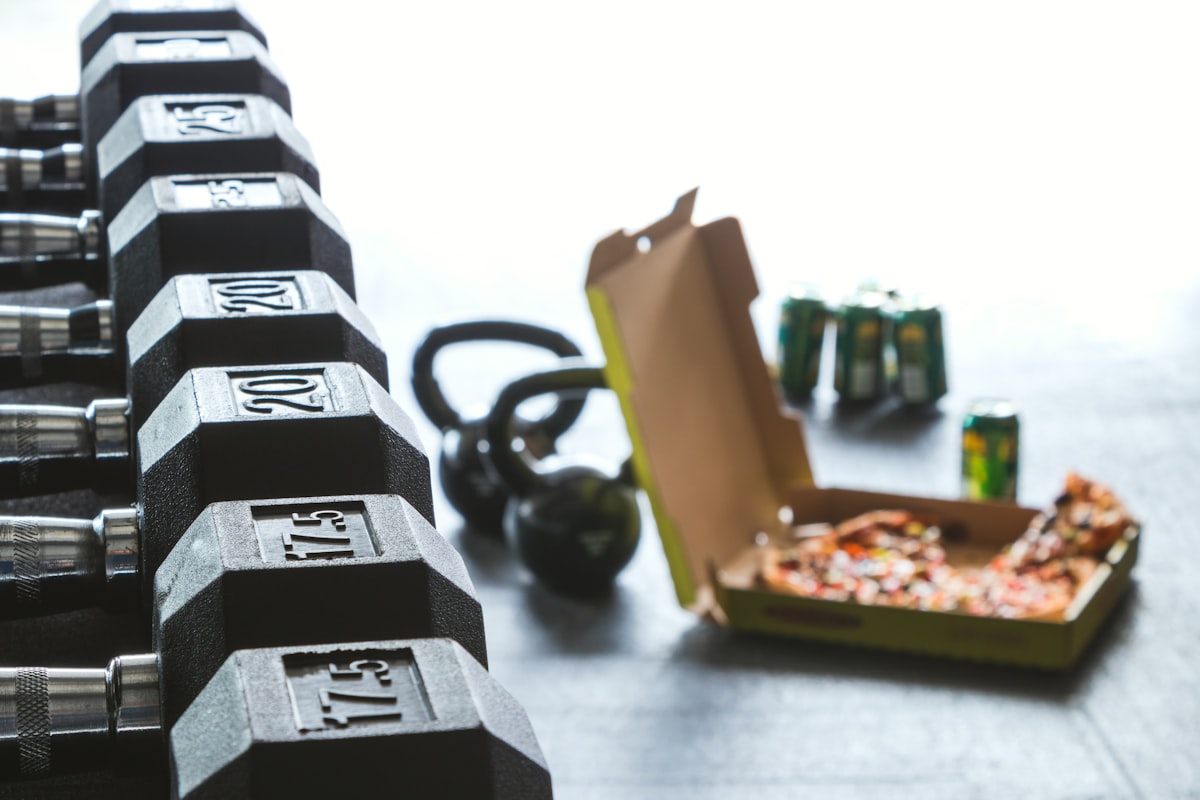
Explore Our Nutrition Content
Browse through different approaches and information about protein-based nutrition for muscle development

High-Protein Meal Plan Fundamentals
Learn the foundational principles of designing a high-protein meal plan that supports muscle development. This guide covers daily protein requirements, macronutrient balance, and practical meal structuring strategies.
Read More →

Lean Protein Sources Guide
Discover comprehensive information about various lean protein sources including poultry, fish, legumes, and plant-based options. Compare nutritional profiles and learn how to incorporate diverse sources into your diet.
Learn More →
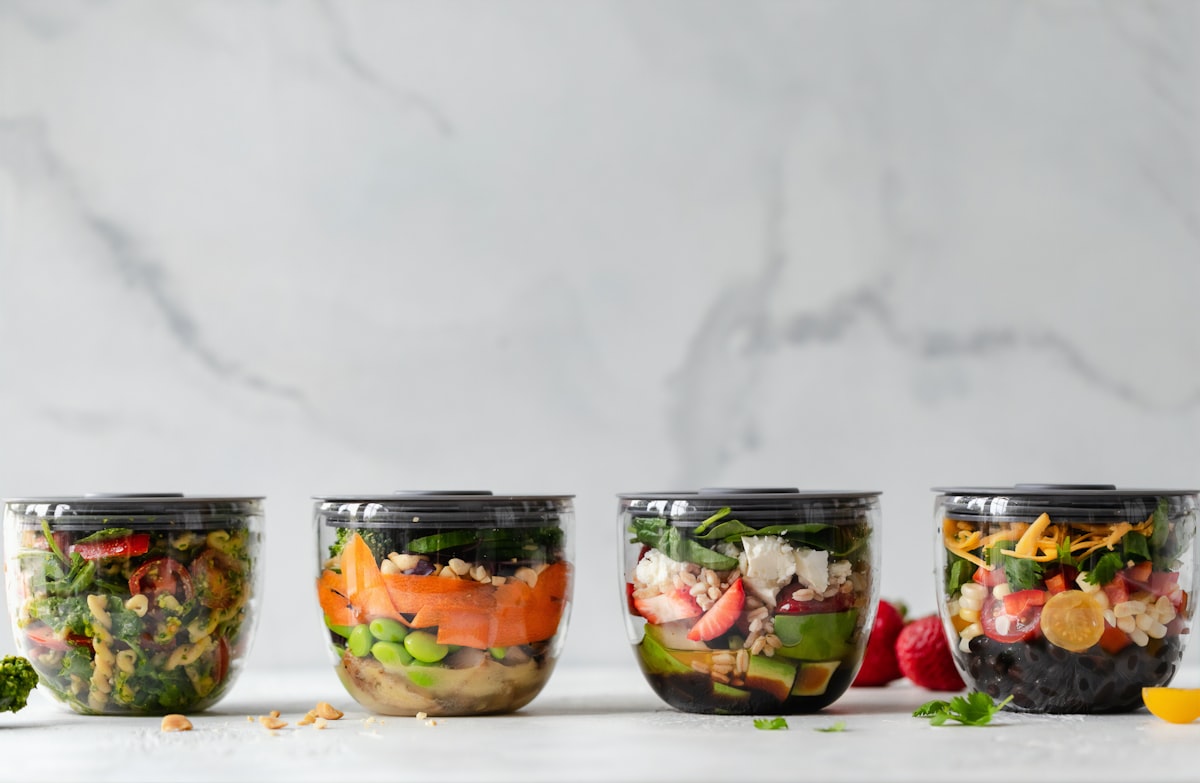
Nutrition Timing for Muscle Growth
Explore research-informed perspectives on how meal timing relates to training schedules and muscle adaptation. Understand circadian rhythm considerations and nutrient availability optimization throughout the day.
Discover More →

Budget-Friendly Protein Planning
Access practical strategies for maintaining adequate protein intake while managing your food budget. Learn about cost-effective protein sources and meal preparation techniques that maximize nutrition per dollar.
Explore Guide →
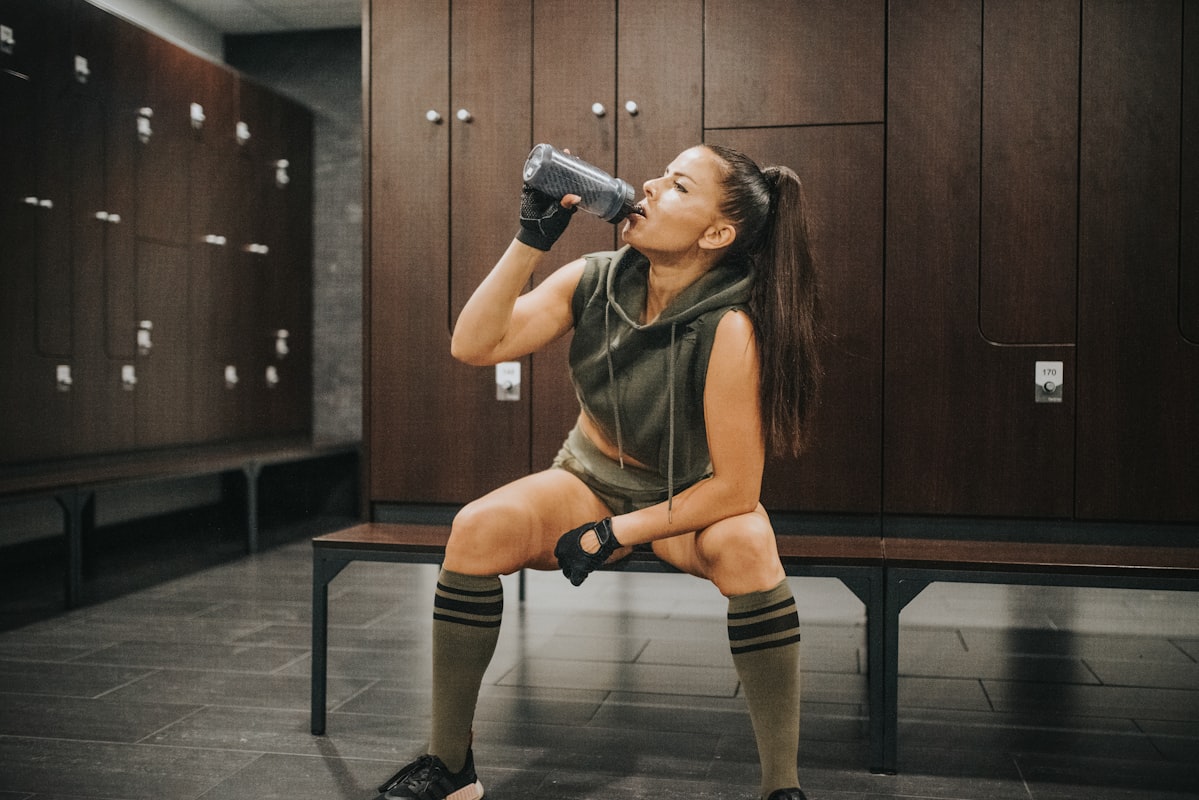
Vegetarian and Vegan Protein Plans
Comprehensive information about plant-based protein sources for individuals following vegetarian or vegan dietary patterns. Learn about amino acid profiles, complementary proteins, and complete nutrition planning strategies.
Learn More →
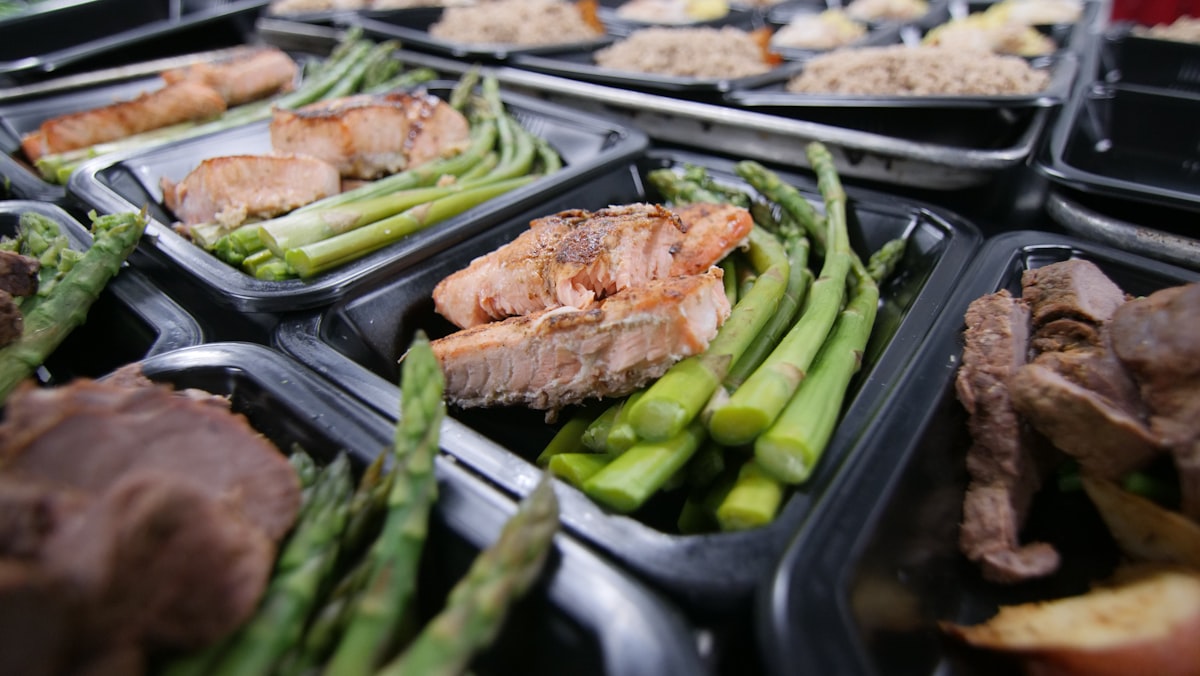
Recovery Nutrition Strategies
Learn about nutrition's role in supporting recovery between training sessions. Understand protein's function in muscle adaptation and explore complementary nutrients that support overall training performance.
Read Article →
Frequently Asked Questions
Daily protein recommendations vary based on individual factors including body weight, training intensity, and fitness goals. General guidelines suggest approximately 1.6 to 2.2 grams of protein per kilogram of body weight for individuals engaged in resistance training. Our nutrition guide provides personalized calculation methods and explores how to determine appropriate intake for your specific situation. Individual needs may differ, so consulting with qualified nutrition professionals can help establish optimal targets for your circumstances.
High-quality protein sources include both animal and plant-based options. Animal sources such as chicken, fish, turkey, eggs, Greek yogurt, and cottage cheese provide complete amino acid profiles. Plant-based options including legumes, tofu, tempeh, nuts, and seeds offer nutritional variety. Our detailed protein sources guide explores the nutritional characteristics of each option, including amino acid composition, micronutrient content, and practical applications in meal planning. The best choice depends on your dietary preferences and lifestyle considerations.
Timing protein intake around training supports nutrient availability during muscle adaptation periods. While specific timing windows are less critical than previously believed, consuming protein in the hours surrounding training sessions is considered supportive of muscle development. Our nutrition timing article explores research perspectives on pre-training, intra-training, and post-training nutrition considerations. Consistent daily protein intake distributed throughout the day remains foundational to any nutrition strategy.
Yes, individuals following plant-based diets can support muscle development through thoughtful protein planning. Plant-based proteins from legumes, grains, nuts, seeds, and soy products provide the amino acids necessary for muscle adaptation when consumed in adequate quantities and appropriate combinations. Our vegetarian and vegan protein plans guide explores complete protein strategies, amino acid complementarity, and practical meal planning for plant-based approaches. Success requires awareness of amino acid profiles and strategic food combinations.
While protein is essential, comprehensive muscle development nutrition includes adequate calories, carbohydrates for training energy, healthy fats for hormone function, and micronutrients including iron, zinc, and B vitamins. Resistance training consistency, sleep quality, and overall lifestyle factors complement nutritional strategies. Our nutrition science content explores how these elements interact and supports informed decision-making about your overall nutrition approach. Balanced nutrition addresses multiple nutritional needs rather than focusing on protein alone.
Cost-effective protein planning involves identifying affordable sources, buying in bulk when possible, and utilizing seasonal availability. Eggs, canned fish, dried legumes, Greek yogurt on sale, and frozen poultry often provide excellent protein value. Batch cooking and meal preparation maximize efficiency and reduce food waste. Our budget-friendly protein planning guide provides practical strategies for maintaining adequate nutrition within financial constraints. Strategic shopping and meal planning create sustainability for long-term nutrition adherence.
How to Get Started With Protein Planning
Assess Your Current Intake
Begin by tracking your current protein consumption for 3-5 days to establish a baseline. Use our nutrition guide to calculate your estimated daily requirement based on your body weight and training intensity. Understanding your starting point informs strategic planning decisions.
Select Preferred Protein Sources
Review our protein sources guide and choose options aligned with your dietary preferences, budget, and lifestyle. Identify 4-6 primary sources you enjoy and can realistically incorporate into your meals. Variety supports nutrient diversity and dietary adherence.
Design Your Meal Plan
Use our meal preparation strategies to structure daily meals supporting your protein targets. Plan 3-5 meals and snacks that distribute protein intake throughout the day. Consider batch cooking and preparation techniques that align with your schedule.
Monitor and Adjust
Track your nutrition implementation and observe how you feel, energy levels, and training performance over 2-4 weeks. Note what works well and what needs modification. Periodic assessment supports ongoing optimization and dietary adherence.
Deepen Your Knowledge
Explore our comprehensive nutrition guides and educational content to make informed decisions about your protein and muscle development nutrition strategy.
For questions about our content or editorial approach, reach out to our team at [email protected]
Subscribe to Our Content Updates
Receive notifications when we publish new articles, guides, and resources about protein nutrition and muscle development.
We respect your privacy. Unsubscribe at any time. See our privacy policy for details.